

Typing Dotcom is a popular search term for people looking for Typing.com, an online platform that helps students and beginners improve their keyboarding abilities. It offers online typing lessons, practice exercises, typing games, and speed tests to make learning easier. Whether you’re a student, parent, or teacher, the platform provides useful resources for building confidence with a keyboard.
Its lessons also support digital literacy and essential computer skills for school and everyday tasks. Beginners can practise at their own pace, track their progress, and improve their accuracy over time. With consistent practice, learners can develop stronger typing habits and prepare for future academic and professional opportunities.
What Is Typing and Why Is It an Important Skill?
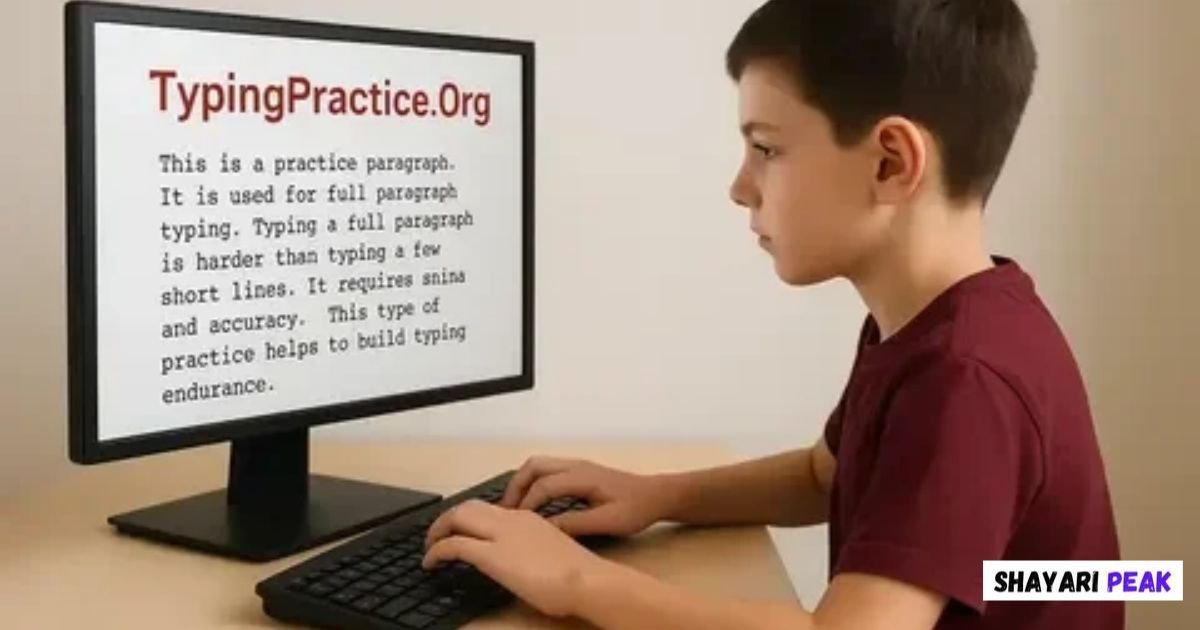
Typing is the process of entering letters, numbers, and symbols using a keyboard. It is an essential skill for writing assignments, sending emails, completing online forms, and communicating at work. Strong keyboarding skills can save time and help you focus on your ideas instead of searching for individual keys.
Today, digital literacy matters in almost every learning environment. Students need to navigate websites, prepare documents, and use educational software confidently. Typing.com teaches keyboarding and digital literacy through guided activities that help learners become more comfortable with computers. These skills can also support future career preparation, especially in jobs that involve regular computer use.
How to Learn Typing for Beginners
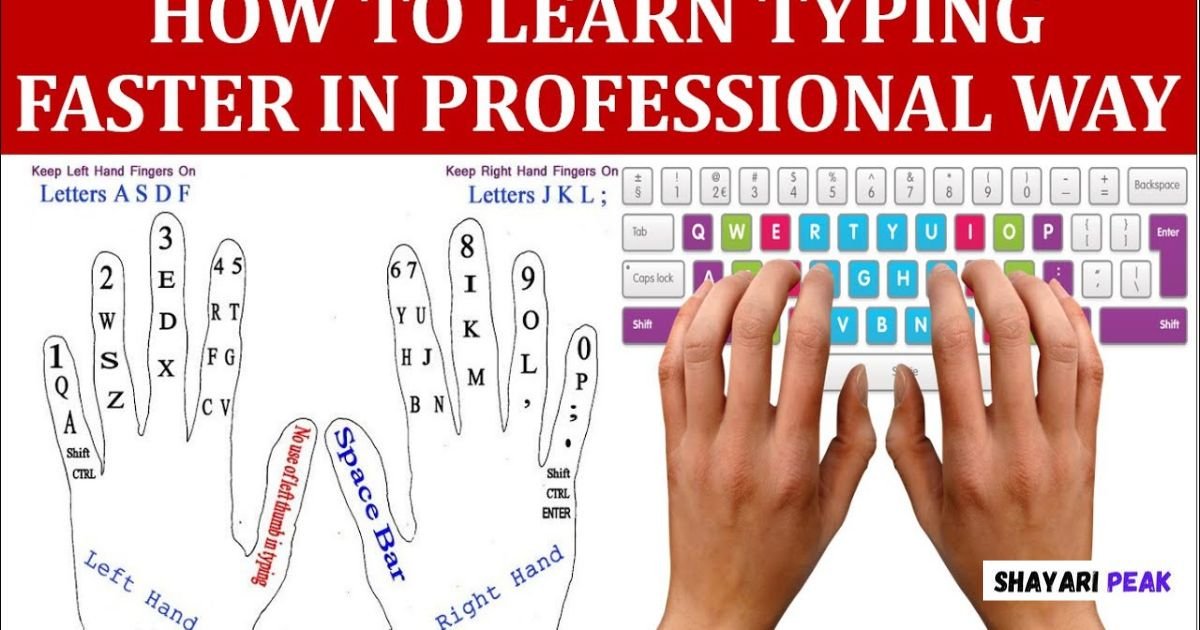
Learning to type starts with understanding the keyboard and placing your fingers correctly. The home row contains the A, S, D, F, J, K, L, and semicolon keys. Rest your fingers on these keys and use the appropriate fingers to reach nearby letters. This method builds a reliable foundation for keyboard skills for students and adult beginners.
Next, begin with simple exercises rather than trying to type quickly. Free online typing lessons for students can introduce letters, short words, and sentences in manageable stages. Follow the instructions carefully and pay attention to mistakes. Consistent typing practice for beginners helps build muscle memory and makes each key easier to find without hesitation.
Understand the Keyboard Layout
The keyboard contains letter keys, number keys, punctuation marks, and special keys such as Shift, Enter, and Backspace. Learning their positions helps you type without constantly searching. Start with the letters you use most often, then gradually practise numbers and punctuation.
Learn the Home Row Keys
The home row provides a starting position for touch typing. Keep your left fingers near A, S, D, and F, and your right fingers near J, K, L, and the semicolon. Your thumbs can rest near the spacebar. Return your fingers to this position after reaching other keys.
Practise Correct Finger Placement
Using the correct fingers may feel awkward at first, especially if you’ve developed your own typing habits. However, proper placement reduces unnecessary movement and supports better accuracy. Practise slowly and avoid stretching one finger across the entire keyboard.
How to Type Faster Without Looking at the Keyboard
Touch typing allows you to enter text while keeping your eyes on the screen. Instead of watching your fingers, you learn each key’s position through repetition. This approach improves typing flow and helps you notice errors sooner. With patience, typing speed can increase without sacrificing accuracy.
Start by practising familiar words and short sentences. When you make a mistake, correct it and continue at a comfortable pace. Avoid racing through exercises simply to achieve a higher score. The best way to learn to type with accuracy and speed is to build reliable habits first and increase your pace gradually.
Learn Touch Typing Techniques
Touch typing uses assigned fingers for different keys. Follow a consistent finger pattern during practice instead of reaching randomly. Many online lessons display a virtual keyboard to show which finger should press each key. This visual guidance can make new movements easier to understand.
Improve Finger Movement and Coordination
Keep your hands relaxed and use small, controlled movements. Reaching too far or striking keys with excessive force can make typing uncomfortable. Regular exercises help your fingers respond more naturally to common letter combinations.
Build Muscle Memory Through Repetition
Muscle memory develops when you repeat the same movements over time. Practise short exercises regularly rather than completing one long session and stopping for several days. As familiar patterns become automatic, you can devote more attention to spelling, punctuation, and sentence structure.
Best Free Online Typing Lessons and Courses
Typing.com is an educational typing website that offers lessons and activities for learners who want to improve their keyboarding abilities. Its educational content can support beginners, school students, and people who need more typing practice. The platform combines structured exercises with assessments and games to make learning more accessible.
The website is also described as a free typing program, making it an option for families and schools seeking online learning resources. Its features include typing lessons for elementary and high school students, along with activities that may introduce digital literacy and basic coding. Teachers can use these resources alongside classroom instruction, while individual learners can practise independently.
Typing.com: Free Typing Lessons for Students
Typing.com provides guided exercises that help learners progress from basic keyboard familiarity to more advanced typing tasks. Lessons can assess speed and accuracy, allowing students to see where they need improvement. Many activities are short enough to fit into a regular school day.
The platform can also support typing lessons for digital skill development. Students who become comfortable with keyboards may find it easier to complete assignments, write reports, and use online learning tools. Features and course availability can change, so check the official website for the latest details: Typing.com.
Beginner Typing Courses for Kids and Adults
Beginners benefit from lessons that introduce a few keys at a time. Children may need more repetition and simple instructions, while adults might prefer exercises that focus on everyday writing. A structured course can help both groups develop skills without rushing through the basics.
Good typing courses should offer clear instructions, useful practice, and feedback. Learners should also be able to repeat difficult exercises before moving forward. This approach makes keyboarding practice for beginners more manageable and helps reduce frustration.
Classroom Typing Lessons and Teacher Tools
Schools can use online typing lessons to support computer classes and independent assignments. Teachers may include short keyboarding sessions alongside writing activities, research projects, or digital presentations. This makes typing a practical part of everyday learning rather than an isolated subject.
A classroom typing program can also help teachers identify students who need additional support. A well-planned typing curriculum should combine guided instruction, regular practice, and periodic assessments. However, teachers should review each platform’s current classroom features before choosing it for a school-wide program.
Digital Literacy and Basic Coding Lessons
Typing is only one part of using technology effectively. Digital literacy also includes navigating websites, understanding online information, and using software responsibly. These abilities help students participate more confidently in modern classrooms.
Some typing education platforms also introduce coding fundamentals for students. Basic coding activities can help learners understand instructions, patterns, and logical thinking. Typing lessons and coding exercises serve different purposes, but they can work together to support broader digital skills development.
Typing Practice: Exercises to Improve Your Skills
Regular practice helps you recognise common letter patterns and move between keys more smoothly. Start with individual letters, then progress to words, sentences, and longer passages. This gradual approach develops confidence without overwhelming beginners. Even a short daily session can provide useful repetition.
Choose exercises that match your current ability. If you keep making mistakes with certain letters, practise those combinations before moving to harder material. Effective typing practice focuses on steady improvement rather than impressive scores. Over time, you can compare results and identify which exercises help most.
Daily Typing Exercises for Beginners
A short session of five to ten minutes can be a useful starting point. Begin with familiar letters and words, then complete a short passage. If your hands feel tense, pause and relax before continuing.
As your skills improve, extend your practice or choose more challenging text. Consistency matters more than completing a large number of exercises in one sitting. Regular sessions make it easier to maintain progress.
Word, Sentence, and Paragraph Practice
Single words help you learn key positions, while sentences introduce spaces, punctuation, and capital letters. Paragraph exercises provide a more realistic test of your typing ability. They also reveal whether your accuracy drops when you type for longer periods.
Use different types of text to develop a wider range of skills. For example, practise a school paragraph one day and an email the next. This variation makes typing more useful for real situations.
Practise Common Keyboard Patterns
Some letter combinations appear frequently in English, including patterns found in words such as “there,” “their,” and “because.” Repeating these combinations can help your fingers move more naturally. You can also practise punctuation and capital letters to improve your control.
When a particular pattern causes repeated errors, slow down and practise it separately. Once it becomes easier, return to complete sentences. This targeted method can make your sessions more effective.
Online Typing Tests: Measure Your Speed and Accuracy
Typing tests show how quickly you can enter text and how many mistakes you make. Speed is commonly measured in words per minute, or WPM. Accuracy measures how closely your typed text matches the original passage. Both figures matter when judging overall performance.
Many platforms include typing assessments that measure progress during lessons or separate tests. A student typing level assessment can help identify areas that need more practice. Some courses also use a cumulative typing assessment to review skills learned across several lessons. Test results are most useful when you compare them over time.
How to Take an Online Typing Speed Test
Choose a test that matches your ability and read the instructions before starting. Type the displayed passage while keeping your eyes on the text. Avoid rushing simply to finish before the timer ends.
After the test, review your speed and errors. Repeat the same test later or try a similar passage to check whether your results improve. Consistent conditions make comparisons more meaningful.
What Is a Good Typing Speed in WPM?
A good typing speed depends on your age, experience, and purpose. Beginners may type slowly while learning finger placement, whereas experienced typists often work much faster. Many everyday computer users aim for a comfortable speed that allows them to write without frequent errors.
The following figures are general examples rather than official standards.
| Typing level | Illustrative speed |
|---|---|
| Beginner | 10–20 WPM |
| Developing typist | 20–35 WPM |
| Comfortable everyday typing | 35–50 WPM |
| Experienced typist | 50–70 WPM |
| Advanced typist | 70+ WPM |
Your results may differ depending on the test’s difficulty and scoring method. Accuracy, comfort, and consistency are just as important as speed.
How Typing Accuracy Is Calculated
Typing accuracy generally reflects the proportion of characters or words entered correctly. The exact formula depends on the test. For example, a test might count correct characters against all characters typed, while another may use words or apply penalties for errors.
Suppose you type 100 characters and 95 match the source text. Under a simple character-based formula, your accuracy would be 95%. This example illustrates the calculation, although actual platforms may handle corrections differently.
Track Your Progress Over Time
A single test offers only a snapshot of your ability. Recording results across several sessions gives you a clearer picture of improvement. Pay attention to recurring mistakes, changes in accuracy, and whether your speed remains steady throughout a passage.
Student progress tracking can help learners set realistic goals. For example, a beginner might aim to increase accuracy first and then improve speed gradually. Small, measurable targets are easier to maintain than trying to double your typing speed overnight.
Best Typing Games and Interactive Learning Tools
Typing games turn repeated keyboard exercises into short challenges. Players may type words to move characters, complete missions, or earn points. These activities can make practice feel less repetitive, especially for children who enjoy interactive learning.
Interactive typing games can support keyboard recognition and quick responses when they reinforce useful skills. However, entertainment alone doesn’t guarantee improvement. Learners still need structured lessons and focused exercises. The best results come from balancing games with regular practice and feedback.
Free Typing Games for Kids
Children often enjoy activities with clear goals and immediate feedback. Typing games can introduce new keys through simple challenges and encourage learners to repeat difficult exercises. Parents and teachers should choose age-appropriate activities that match a child’s reading and typing level.
Well-designed typing games for kids can make keyboard learning feel more approachable. Still, children should have time to practise without a timer or score. This helps them focus on correct finger placement rather than treating every activity as a race.
Typing Games for Beginners
Beginners can use simple games to practise common letters and short words. As their confidence grows, they can try activities involving longer words, punctuation, and timed challenges. Choose games that provide helpful feedback rather than rewarding speed alone.
Switch between games and traditional exercises to keep practice balanced. A game may help with quick reactions, while a lesson can explain proper technique. Both methods can contribute to learning when used with a clear purpose.
How Rewards and Progress Tracking Motivate Learners
Points, badges, and progress indicators can give learners a sense of achievement. They also make it easier to recognise small improvements. For children, these rewards may encourage regular practice when the challenges remain suitable for their ability.
However, scores shouldn’t become the only measure of success. A learner who types slowly but accurately may be building stronger habits than someone who rushes through mistakes. Focus on steady development rather than chasing rewards.
How to Improve Typing Speed and Accuracy: 7 Practical Tips
Improving your typing requires patience, repetition, and good technique. Start by concentrating on accuracy, then increase your pace as your fingers become more familiar with the keyboard. Keep your hands relaxed and avoid unnecessary movements. A comfortable setup can also make longer sessions easier.
Use personalized learning to focus on your weakest areas. If you repeatedly miss certain keys, spend extra time practising them. If you type well during short exercises but struggle with paragraphs, practise longer passages. These adjustments make your training more relevant to your needs.
Focus on Accuracy Before Speed
Typing quickly doesn’t help much if you must correct every other word. Slow down until you can enter text correctly and comfortably. Then increase your pace in small steps.
Maintain Proper Posture and Hand Position
Sit comfortably with relaxed shoulders and wrists. Keep the keyboard within easy reach and avoid bending your wrists sharply. A comfortable posture can reduce strain during regular practice.
Practise Consistently Every Day
Short, frequent sessions can help build reliable habits. Choose a time that fits your routine and stick with it. Regular practice is easier to maintain than occasional marathon sessions.
Avoid Looking Down at the Keyboard
Try to keep your eyes on the screen while practising familiar keys. If you need help, use a keyboard guide or virtual keyboard. Gradually reduce your reliance on visual prompts as you gain confidence.
Review Mistakes and Difficult Keys
Look for patterns in your errors instead of correcting them without reflection. You might struggle with capital letters, punctuation, or particular letter combinations. Focused practice can help address these weaknesses.
Set Realistic Typing Goals
Choose goals that reflect your current ability. For example, aim to maintain 95% accuracy before trying to increase your speed. Review your progress regularly and adjust your target when needed.
Use Typing Tests to Measure Improvement
Take occasional tests under similar conditions and record the results. Compare both WPM and accuracy rather than focusing on speed alone. This gives you a more balanced view of your progress.
Common Typing Mistakes and How to Avoid Them
Many beginners try to type quickly before learning proper finger placement. Others rely on just two fingers or look down at the keyboard after every few letters. These habits can slow progress because they encourage repeated movements instead of consistent technique.
A supplementary learning program can help reinforce lessons when learners need more support. Combine guided instruction with independent exercises and regular feedback. Teacher-supported typing instruction may also help students correct poor habits early. The goal is to develop a comfortable technique that works across school, home, and workplace tasks.
Typing Too Fast Before Learning Accuracy
Rushing often leads to missed letters, spelling errors, and incorrect punctuation. Slow down until your movements feel controlled. Increase your speed only when you can maintain reasonable accuracy.
Using Incorrect Finger Placement
Using the wrong fingers may feel easier at first, but it can create inefficient habits. Return to the recommended finger positions and practise reaching nearby keys. Consistency helps movements become more natural.
Looking at the Keyboard Too Often
Repeatedly looking down interrupts your attention and typing rhythm. Start with familiar keys and use visual guidance when necessary. As your confidence grows, practise keeping your eyes on the screen for longer periods.
Skipping Regular Practice
Long breaks can make new skills harder to maintain. Build a manageable routine and return to difficult exercises when needed. Even brief sessions can help reinforce what you’ve already learned.
- Read More: Make1m.com
- Read More: StreamEast Sports Streaming Site
FAQs
What Is Typing Dotcom?
Typing Dotcom is a common way people refer to Typing.com when searching online. Typing.com is a website that offers keyboarding lessons and related educational activities. Visit Typing.com to explore its current courses and features.
Is Typing.com Free to Use?
Typing.com has offered free typing lessons and educational resources. Features and account options may change, so check the official website for current pricing and availability before signing up.
Is Typing.com Good for Beginners?
Typing.com can be useful for beginners because it provides structured lessons and practice activities. Learners can start with basic keys and gradually work toward longer exercises. Regular practice remains essential for progress.
Can Adults Use Typing.com to Learn Typing?
Yes, adults can use typing lessons to develop better keyboard habits. The skills can help with emails, documents, job applications, and everyday computer tasks. Choose exercises that match your ability and personal goals.
How Many Minutes Should I Practise Typing Each Day?
Five to fifteen minutes can be a practical starting point for beginners. Practise consistently and take breaks when your hands feel tired. You can increase your session length as your comfort and concentration improve.
What Is a Good Typing Speed for Beginners?
A speed of around 10–20 WPM can be a reasonable early milestone for some learners. Progress varies with age, experience, and practice time. Focus on accuracy and proper technique before setting ambitious speed targets.
Does Typing.com Offer Typing Games and Tests?
Typing.com has offered typing games and assessments alongside its lessons. These activities can help learners practise skills and review their progress. Check the official website for the current selection of tools.
Can Teachers Use Typing.com in the Classroom?
Typing.com has provided resources for classroom learning and student practice. Teachers may use typing lessons alongside computer education and writing assignments. Schools should review the current teacher features to confirm they meet their needs.
Conclusion
Learning to type can make schoolwork, communication, and computer-based tasks easier. Typing Dotcom searches often lead people to Typing.com, where learners can explore keyboarding lessons, practice activities, tests, and games. The platform may be useful for both classroom and independent learning.
The most effective approach is simple: practise regularly, maintain proper finger placement, and focus on accuracy before speed. Use assessments to identify weaknesses and choose exercises that address them. With steady effort, you can build stronger keyboarding skills and become more confident using digital tools.

Shayari Peak offers clear meanings, grammar guides, and easy explanations to help you understand words, phrases, and language better.
2 thoughts on “Typing Dotcom: A Complete Guide to Free Typing & Practice”